

Baking Precision Guide
Special considerations when scaling baked goods
Why Baking is Different
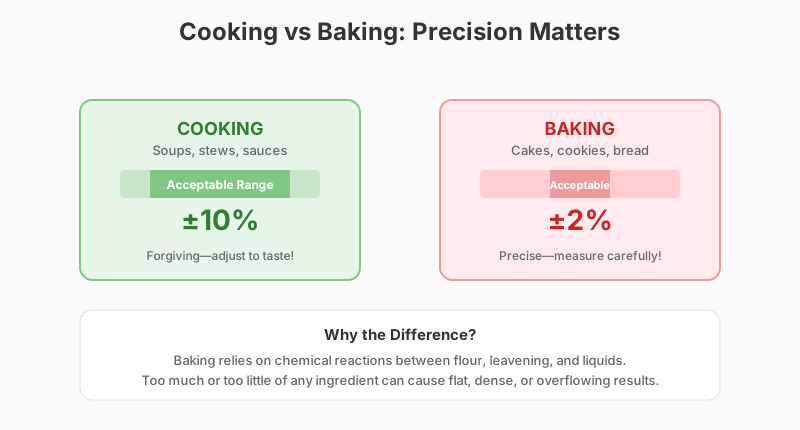
Baking is chemistry. While cooking allows flexibility (±10% salt won't ruin a stew), baking ratios are precise. Too much flour makes dense bread; too little baking powder means flat cookies. Scale carefully!
Key Baking Ratios
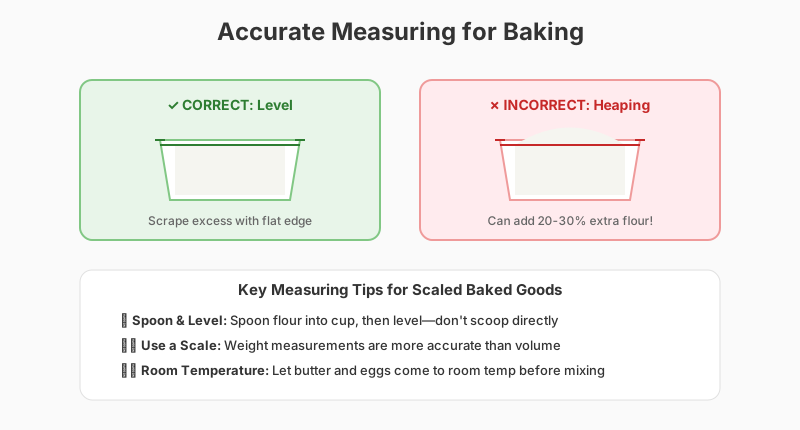
When scaling baked goods, these ratios should stay constant: flour:liquid ratio, fat:flour ratio, and leavening:flour ratio. The recipe scaler maintains these automatically—just verify your pan sizes match.
Equipment Considerations
Doubling a cake recipe? You'll need either two standard pans or one larger pan. Pan sizes: 8" round = ~6 cups, 9" round = ~8 cups, 9×13" = ~15 cups. Match your scaled volume to your pan capacity.
Troubleshooting
If your scaled bake fails: dense result = too much flour (try less next time), flat cookies = check leavening amount, uneven bake = oven may be overcrowded. Always scale leavening at 0.9× when doubling.