

How Recipe Scaling Works
Understanding the science behind ingredient scaling
1. The Scaling Algorithm
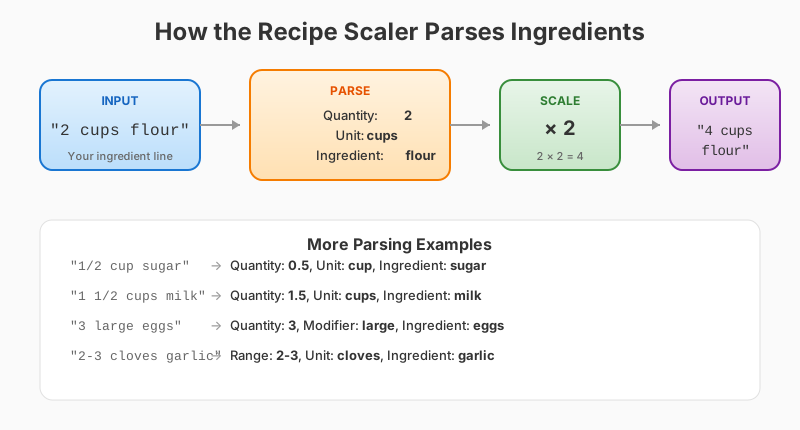
When you paste an ingredient like "2 cups flour", the recipe scaler breaks it down into three components: quantity (2), unit (cups), and ingredient (flour). This parsing happens automatically, recognizing dozens of formats across multiple languages.
2. Supported Formats
The scaler recognizes many common ingredient formats:
Simple: "2 cups flour" • Fractions: "1/2 cup sugar" or "½ cup sugar" • Mixed numbers: "1 1/2 cups milk" • Ranges: "2-3 cloves garlic" • Packages: "1 (14 oz) can tomatoes"
3. Fraction Display
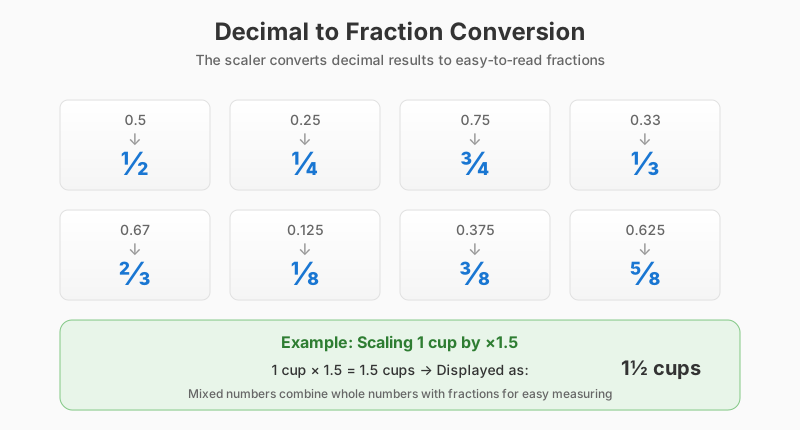
When scaling creates decimal results, the tool converts them to easy-to-read fractions. For example, 0.5 becomes ½, 0.25 becomes ¼, and 0.33 becomes ⅓. This makes your scaled recipe practical to measure.
4. Discrete Items
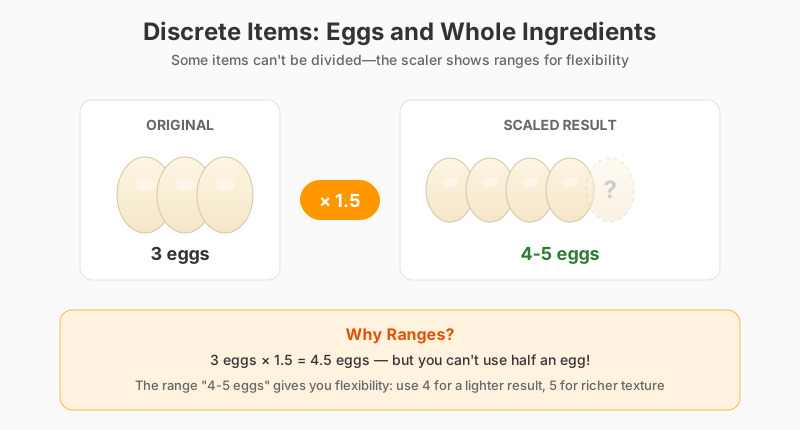
Discrete items such as eggs are shown as clean fractions rather than decimals. For example, 3 eggs scaled by 1.5× becomes "4½ eggs": use 4 whole eggs plus half of a whisked egg, weighed.
5. Non-Scalable Items
Some ingredients don't need scaling. Phrases like "salt to taste", "fresh herbs for garnish", or "optional" items are automatically detected and preserved unchanged in your scaled recipe.
Ready to Scale?
Try the recipe scaler with your own recipes and see how easy it is to adjust servings.
Open Recipe Scaler