

Commercial Building Duct Design
Higher velocities and efficiency considerations for commercial HVAC
Commercial HVAC systems handle larger airflows and can tolerate higher velocities than residential systems. Energy efficiency and space constraints are often more important than absolute quiet operation.
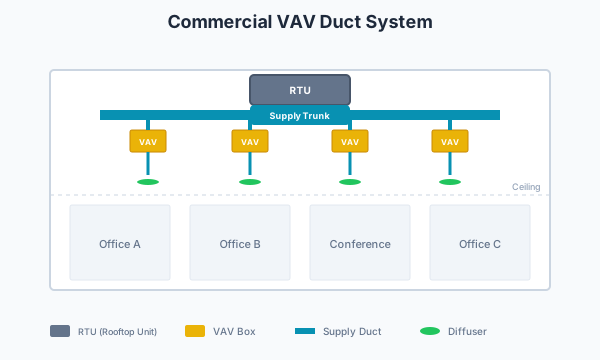
Key Differences from Residential
- Higher acceptable velocities (1000-2000 FPM for mains)
- Higher friction rates allowed (0.08-0.20 in.wg/100ft)
- VAV (Variable Air Volume) systems are common
- Galvanized steel or aluminum ducts preferred (lower friction than flex)
Commercial Velocity Guidelines
| Duct Location | Velocity (FPM) |
|---|---|
| Main ducts | 1000-2000 |
| Branch ducts | 800-1500 |
| Terminal units | 500-800 |
Energy Efficiency Considerations
Note:
While higher velocities allow smaller duct sizes, they also increase fan energy consumption. Balance initial duct cost against lifetime operating costs when selecting friction rates.
Sources
Try the Calculator
Use our duct calculator with commercial settings to size your building's HVAC ducts correctly.
Open Calculator
Advertisement