

Residential HVAC Duct Sizing
Best practices for sizing ducts in home HVAC systems
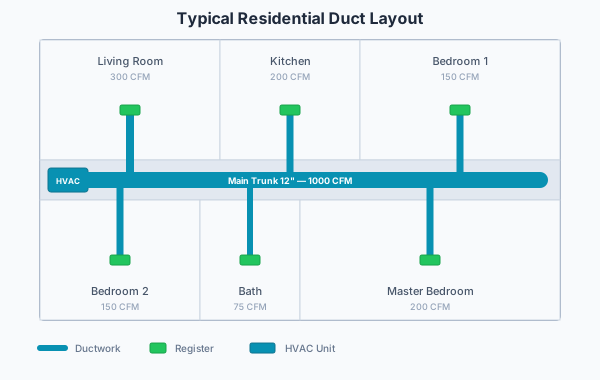
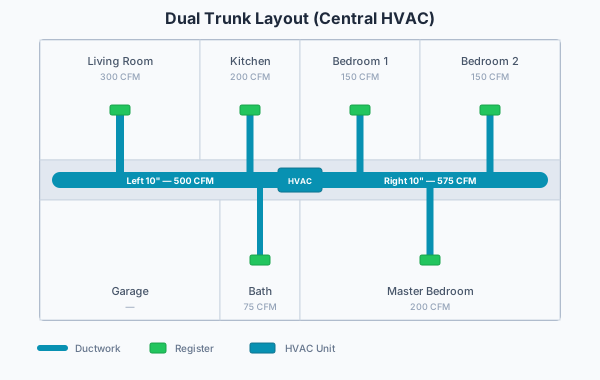
Home HVAC systems require careful duct sizing to ensure comfort, efficiency, and quiet operation. Unlike commercial systems, residential ducts prioritize low noise levels over maximum airflow capacity.
Key Principles for Home Duct Sizing
- Keep velocities low (600-900 FPM for supply mains) to minimize noise
- Use lower friction rates (0.06-0.10 in.wg/100ft) for quieter operation
- Size return ducts 10-15% larger than supply ducts for the same CFM
Typical Residential Duct Sizes
| Duct Location | CFM | Round Duct | Velocity |
|---|---|---|---|
| Main trunk | 800-1200 | 12-14" | 700-900 FPM |
| Branch ducts | 100-400 | 6-8" | 600-800 FPM |
| Runouts to registers | 50-150 | 4-6" | 400-600 FPM |
Common Residential Mistakes
Warning:
- Using undersized ducts to save money (causes noise and poor airflow)
- Running excessively long flex duct runs (increases friction dramatically)
- Not accounting for register restrictions (size register for 500 FPM or less)
Sources
Try the Calculator
Use our duct calculator with residential settings to size your home HVAC ducts correctly.
Open Calculator
Advertisement